type systems
 7:26
Teletype Model 19 - Part 1: A Teletype Arrives for Restoration
33K views • 8 years ago
CuriousMarc
CuriousMarc inspects a newly arrived Teletype Model 19, an early military unit built around a Model 15 keyboard and printer, after an initial rough cleaning. It is the first part of a restoration series and touches on 5-bit Baudot code.
 16:25
Converting devices to USB Type-C
8M views • 6 years ago
DIY Perks
DIY Perks shows how to modify devices that use older USB connectors so they charge and connect over USB Type-C. He solders in a USB-C connector board and works through cases such as dongle-dependent gadgets and a mouse receiver.
 1:21:25
Let's prototype a JavaScript JIT compiler!
49K views • 3 years ago
Andreas Kling
Andreas Kling live-codes a prototype JavaScript JIT compiler for the LibJS engine used in SerenityOS and Ladybird. He builds a standalone bytecode VM, a simple interpreter, and then a simple JIT in about 80 minutes.
 3:03:54
The Why, What, and How of Pinning in Rust
87K views • 7 years ago
Jon Gjengset
Jon Gjengset's long live-coding stream explains Rust's Pin and Unpin types: why they exist, how they work, and how they connect to futures and async/await. It also covers moving from pre-pinning code to the new model.
Topic match · Programming language design 1:33:23
Crust of Rust: Lifetime Annotations
299K views • 6 years ago
Jon Gjengset
In this first Crust of Rust episode, Jon Gjengset live-codes an example that needs multiple explicit lifetime annotations. Along the way he covers string types and generics over a custom trait.
Topic match · Programming language design 13:48
The Joy of Programming in Jai - Part 1: Hello World
36K views • 6 years ago
Nuno Afonso
The first part of a series on programming in Jai, Jonathan Blow's in-development language. It covers compiling, writing hello world and using code from other files.
Topic match · Programming language design 1:01:04
Introduction to Julia - Part 1 | SciPy 2014 | David Sanders
80K views • 12 years ago
Enthought
David Sanders gives the first part of a two-part introduction to the Julia programming language at SciPy 2014. It walks through the language's basics and its appeal for scientific computing.
Topic match · Programming language design 56:03
A Tour of Prolog
33K views • 4 years ago
The Power of Prolog
Markus Triska tours Prolog's most distinctive features, including its use as a database and query language, rule processing, constraint solving and compile-time rewriting. It also covers concise meta-interpreters.
Topic match · Programming language design 1:13:51
Handmade Hero Day 001 - Setting Up the Windows Build
465K views • 11 years ago
Molly Rocket
Day 1 of Casey Muratori's Handmade Hero, a live-coded game built from scratch in C on Windows. It reviews C on Windows, sets up a minimal build system and WinMain entry point, and shows a first MessageBox.
 16:04
Redoing Make - Haskell from Scratch #1
57K views • 13 years ago
jekor
The first episode of a screencast series building djb's redo build system from scratch in Haskell. It explains the purpose of redo, writes initial code and sets up a GitHub repository.
 18:50
Creating a Doom-style 3D engine in C
991K views • 11 years ago
Bisqwit
Bisqwit builds a Doom or Duke Nukem 3D style software-rendered 3D engine in C from scratch, supporting non-Euclidean geometry. It covers vector rotation and portal rendering with sped-up, tool-assisted coding.
 10:32
Javascript in 2015
58K views • 11 years ago
Glen Maddern
A short screencast tour of JSPM, SystemJS and ES6 features, building a small app with the then-new JavaScript module and package tooling. It shows how JSPM works as a package manager, bundler and loader.
 32:07
Let Vim Do the Typing
228K views • 11 years ago
thoughtbot
George Brocklehurst of thoughtbot demonstrates Vim's built-in completion mechanisms, from word, line and block completion to ctags. The aim is to type less and make fewer typos.
 8:53
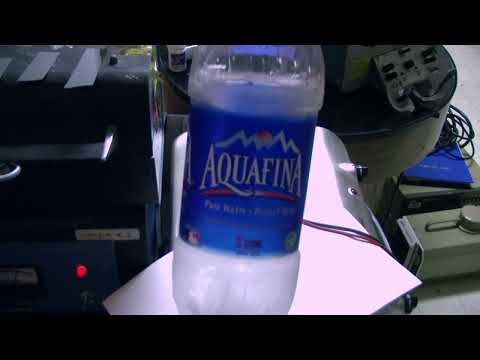
Making Microchips at Home - Cooking with Jeri Part1
296K views • 15 years ago
Jeri Ellsworth
Jeri Ellsworth shows early steps of making microchips at home: cleaving wafers, removing native oxide, testing dopant type with a hot probe, and loading the furnace.