DEF CON 19 - Moxie Marlinspike - SSL And The Future Of Authenticity
DEFCONConference4 HN recommenders · recommended in 4 months, 2013-2026
11K views · 13 years ago · talk · evergreen
Moxie Marlinspike's DEF CON 19 talk on the weaknesses of SSL and the certificate authority system. He explains how CA trust became a problem and proposes an alternative that removes the CA oligopoly without reducing security.
HN points to it as the classic overview of why TLS certificate trust is flawed, and it resurfaces whenever CA or HTTPS security comes up.
 48:02
BlackHat USA 2011: SSL And The Future Of Authenticity
Christiaan008
95K views • 15 years ago
 42:50
DEF CON 18 - Moxie Marlinspike - Changing Threats To Privacy: From TIA to Google
DEFCONConference
7K views • 13 years ago
 31:46
Moxie Marlinspike, Next Generation Threats 2014
Techworld Sverige
30K views • 11 years ago
 1:09:16
Defeating Ssl Using Sslstrip (Marlinspike Blackhat)
TheSecurityTube
61K views • 14 years ago
 52:43
DEFCON 19: Introduction to Tamper Evident Devices
Christiaan008
352K views • 15 years ago
 29:12
DEF CON 26 CRYPTO AND PRIVACY VILLAGE - Scott Arciszewski - No Way JOSE! Designing Cryptography
DEFCONConference
7K views • 7 years ago
 43:03
36C3 - The ecosystem is moving
media.ccc.de
2K views • 6 years ago
 1:05:51
LibreSSL: The first 30 days, and what the Future Holds
Andrea Ross
5K views • 12 years ago
 40:47
DEFCON 19: Steal Everything, Kill Everyone, Cause Total Financial Ruin! (w speaker)
Christiaan008
1.7M views • 14 years ago
 42:50
Defcon 18 Changing threats to privacy Moxie Marlinspike Part
killab66661
22K views • 15 years ago
 45:14
DEF CON 19 - Artem Dinaburg - Bit-squatting: DNS Hijacking Without Exploitation
DEFCONConference
4K views • 13 years ago
 52:51
DEF CON 22 - Zoz - Don't Fuck It Up!
DEFCONConference
546K views • 11 years ago
 24:28
Ichthyology: Phishing as a Science
Black Hat
38K views • 9 years ago
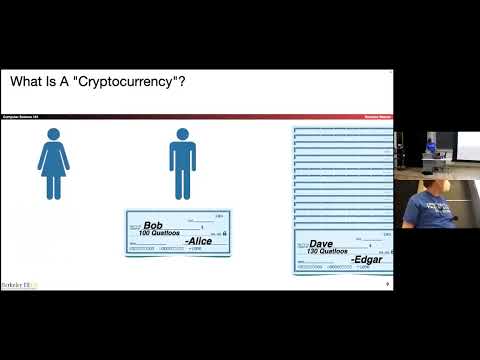 1:06:36
Computer Security 161 Cryptocurrency Lecture
Nicholas C Weaver
128K views • 4 years ago
 38:49
DEF CON 23 - Chris Domas - Repsych: Psychological Warfare in Reverse Engineering
DEFCONConference
173K views • 10 years ago
 21:28
DEF CON 26 - Christopher Domas - The Ring 0 Facade Awakening the Processors Inner Demons
DEFCONConference
24K views • 8 years ago
 35:53
Exposing Tether - Bitcoin's Biggest Secret
Coffeezilla
4.6M views • 5 years ago
 46:04
DEF CON 26 - Christopher Domas - GOD MODE UNLOCKED Hardware Backdoors in redacted x86
DEFCONConference
86K views • 8 years ago
 24:20
Satoshi Has No Clothes: Failures in On-Chain Privacy by Ian Miers (Devcon4)
Ethereum Foundation
5K views • 7 years ago
 32:35
CNBC TechCheck+ chats with Tether's CTO and general counsel — 7/21/21
CNBC Television
42K views • 5 years ago
8 comments from Hacker News
> One of Web PKI's security holes is the fact that any CA can issue valid certs for any domain. The only official "mitigation" for that is voluntary and can be defeated. In case you were not aware, Moxie Marlinspike spoke about this at length back in the early 2010s[1]. His view was that the problem is that certificate authority trust is controlled by the wrong people (web hosts, not users -- or browsers, as a proxy for user wishes) and is not possible to revoke because once a web host uses a particular CA you are stuck trusting them forever otherwise the internet will break. > The solution to that is to rearchitect the Web PKI ecosystem to use domain registrars as the sole source of truth for which CA is allowed to issue valid certs, in addition to cryptographic fingerprints of the source of the originator and issuer. I won't rehash it here but it's not technically difficult and would make it so only the domain owner could issue certs, and valid certs could only come from the CA the domain owner authorizes. Unfortunately, this is problematic for a bunch of other reasons. Yes, this means that a classic Comodo or DigiNotar attack might be blocked (though it is also just as likely they would've been included on the allow-list for American websites), but it also means that registrars could force you to use VeriSign and you would have no choice in the matter -- that is what originally happened with TLS and was what originally happened with DNSSEC too. It seems prudent to me to av
> the CA would be immediately distrusted by browsers, not as punishment but to deter state actors This is not practically possible for browsers to do, as it would also cause all of the legitimate certificates signed by that CA to become distrusted and break large swathes of the internet. This was one of the main complaints Moxie Marlinspike had in his 2011 talk on TLS (the contents of which are sadly just as true today as they were then)[1]. In fact, there is fairly credible evidence that the NSA did actually do this already back in 2011 with the DigiNotar hack to steal the contents of Iranian emails[2]. This case was so egregious that DigiNotar did get distrusted by browsers, but other hacks like that of Comodo did not result in their CA certificates being distrusted. The CAB does apparently block CAs more aggressively than they did a decade ago, but I wonder if they would actually block a big CA like LetsEncrypt if it came out they did something shady or got hacked. It just seems incredibly unlikely they would flip the "turn off >60% of the internet" switch regardless of what LetsEncrypt hypothetically did (for reference, in 2011 Comodo signed only 20-25% of website certificates). [1]: ▶ this video [2]: link
I've found Moxie Marlinspike's talk [1] to be a great overview of these sorts of issues. IIRC, he built an alternate system discussed in the talk. But I believe that's defunct. (Tangent, anyone know the postmortem on that?) ▶ this video
Will they remove Moxie videos then because he makes cybersecurity videos funny and points out the inherent failures in SSL? ▶ this video
Whenever I hear statements like "incredibly complex and sophisticated attack" I'm reminded of the 2011 Comodo (now Sectigo) hack where the company said it had "clinical accuracy" and "likely to be a [Iranian] state-driven attack". Days later, the perpetrator released a "manifesto" (and several other documents) all but confirming that it was the work of a lucky amateur. Moxie (of Signal fame) has a hilarious account of the story in his 2011 Blackhat talk "SSL and the future of authenticity" (starts at around 5:00): ▶ this video
Moxie has good points about the problems TLS has. And they are not about breaking TLS via cryptanalysis: ▶ this video
"Often hear that the reason today’s Internet is not more secure is that the early designers failed to imagine that security could ever matter." Related to this, you should definitely watch Moxie Marlinspike's (lead dev of Signal) talk where he tells about his discussion with Kipp Hickman, a developer of SSL: ▶ this video (until 16:33)
Recently learned of link (talk: ▶ this video ) which sounds quite promising. It's not perfect (private, non routable sites?) but removes the certificate authority oligopoly from the picture without reducing security (AFAICT).